Diet / Food
Diet
Dietary advice is different depending on whether you have type 1 or type 2 diabetes. If you use insulin, then you may want to include some carbohydrates with meals to stop your blood glucose levels from going too low (or reduce your insulin dose to compensate for less carbs). You may benefit from counting carbs, so that you can better work out what your mealtime insulin doses should be, resulting in better glucose control.
There’s no set diet to follow if you have type 2 diabetes, it depends what works for you and whether you are trying to lose weight. General advice is to make healthier food choices more often and limit your intake and portion size of unhealthy foods and try to avoid high refined sugar options. Read below for further information about what to eat when you have type 2 diabetes.
Weight
Even losing small amounts of weight can have significant impacts on your health and put you on a path of a healthier life. If you have type 2 diabetes, losing weight can even put your diabetes into remission. Find out more by looking through the resources below and check out the get local section to see what weight loss support is available in your area.
Fasting
Fasting for Ramadan when you have diabetes can be difficult to manage and it can put you at risk of hypoglycaemia (if you use insulin or gliclazide-like drugs) and dehydration. If you choose to fast, then you should consult your diabetes care team before Ramadan to make sure you can do this in the safest way possible.
Advanced Search
Resource type -
Language -
Type of diabetes -

This page explains what you need to know about alcohol as someone with diabetes. It explains what a unit of alcohol actually is, and covers sensible drinking limits, the effect of alcohol on your blood glucose and how best to avoid having a hypo while you are drinking.

This page discusses carbohydrate counting and why it is important for people with diabetes.

This page discusses what a carbohydrate is, what different kinds there are, and the effect they can have on your diabetes.

This page discusses dairy foods as part of a balanced diet.
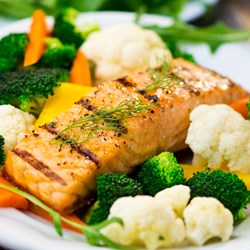
This page contains useful tips on how to maintain a healthy balanced diet.
This page describes two ways used to calculate if you are a healthy weight: BMI and waist circumference. These are used to work out if you are underweight, a healthy weight or overweight and any potential impact your weight has on your health.

This page discusses different fats in the diet.

This page discusses fibre and wholegrains, and how you can include them as part of a healthy balanced diet.

Some tips to help you enjoy the local cuisine while travelling.

This page discusses food labels found on packaging, and how you can use these labels to make healthy food choices.
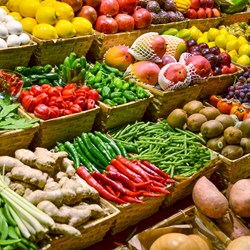
This page discusses how fruit and vegetables play an important role in a healthy diet.
This page gives advice on how to get started if you want to lose weight.

