Heart and Vascular Disease
Cardiovascular or vascular disease is the most common complication associated with diabetes. It can result in heart attacks and strokes.
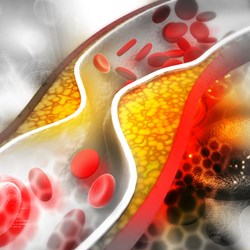
Fatty lumps including cholesterol can build up in the arteries which means it’s harder for red blood cells carrying oxygen around the body to get through. This is known as atherosclerosis or ‘hardening’ or ‘furring’ of the arteries.
High blood glucose (sugar), high blood pressure and high cholesterol all contribute to this hardening of the arteries. Damage to the blood vessels reduces oxygen flow around your body, and this poor circulation can also affects many parts of your body, such as the brain, your eyes and feet.
You can help prevent heart disease by controlling your blood pressure and your blood glucose and cholesterol levels; not smoking; exercising; eating a healthy diet, maintaining a healthy weight and taking any medications that you are prescribed.
If you’d like to know more about heart disease and diabetes, have a look at our resources below. The Get Local section of the website also has lots of information about what support is available in your community, such as exercise groups, cooking classes or stop smoking service.
Advanced Search
Resource type -
Language -
Type of diabetes -

Diabetes UK video explains what high blood pressure is and how you can reduce your risk of developing it.
Diabetes UK video explains what cholesterol is and how it can increase your risk of developing heart disease.

A overview of the effects of heart disease on people with diabetes.

Diabetes UK explains how diabetes increases the risk of developing heart disease, which can lead to heart attacks and strokes.

Living with Diabetes and Dementia

