Feet
Diabetes puts you at a much higher risk of developing foot problems. Being aware of this will help you look after your feet.
Damage to the nerves can lead to a loss of feeling which means you may not notice an injury or wound to your foot; reduced sweating due to nerve damage can result in hard cracked skin, and foot ulcers can occur. Nerve damage can also, in rare cases, lead to bone and muscle weakness which can change the shape of the foot.
Diabetes can also lead to ‘furring’ up of the arteries, causing a reduced blood and oxygen flow to the feet. This can also increase the risk of foot ulcers and means wounds may not heal and can get infected much more easily.
It’s really important to check, wash and moisturise your feet daily; cut or file your toenails regularly; make sure you wear appropriate footwear and treat any minor cuts or blisters immediately. It’s also very important to attend your diabetes foot screening appointment every year. Keeping your blood glucose (sugar) level in target will significantly reduce the risk of any foot problems.
You can find more information in the resources below and for local services, have a look at the get local section of the website.
Advanced Search
Resource type -
Language -
Type of diabetes -

In this video you will learn about foot risk assessments which you should receive annually, and how you can look after your feet every day.
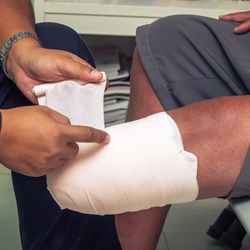
Diabetes UK is putting feet first.
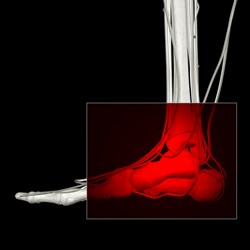
Useful information and advice from the Foot Action Group for patients with Charcot foot.

Some useful advice to help you to look after your feet.

This page gives you advice about wearing the most suitable shoes, taking into account the shape of your feet and your diabetes.

This page gives advice on how to look after a diabetic foot ulcer.

This page gives a brief explanation of the causes and effects of neuropathy.

Looking After Your Feet When You Have Diabetes

Diabetes UK guide to keeping your feet healthy
This leaflet explains the touch the toes test. The touch the toes test is quick and easy, designed to assess sensitivity in your feet, and can be done in the comfort of your own home.
This leaflet lets you know what to expect at your annual diabetes foot check.

